


The densest, hardest wood in our entire collection. Brazilian Walnut (Ipe) offers exceptional durability in a deep, dark brown with extraordinarily fine graining — making it ideal for demanding residential and commercial installations. Clear grade only in prefinished and unfinished solid formats.
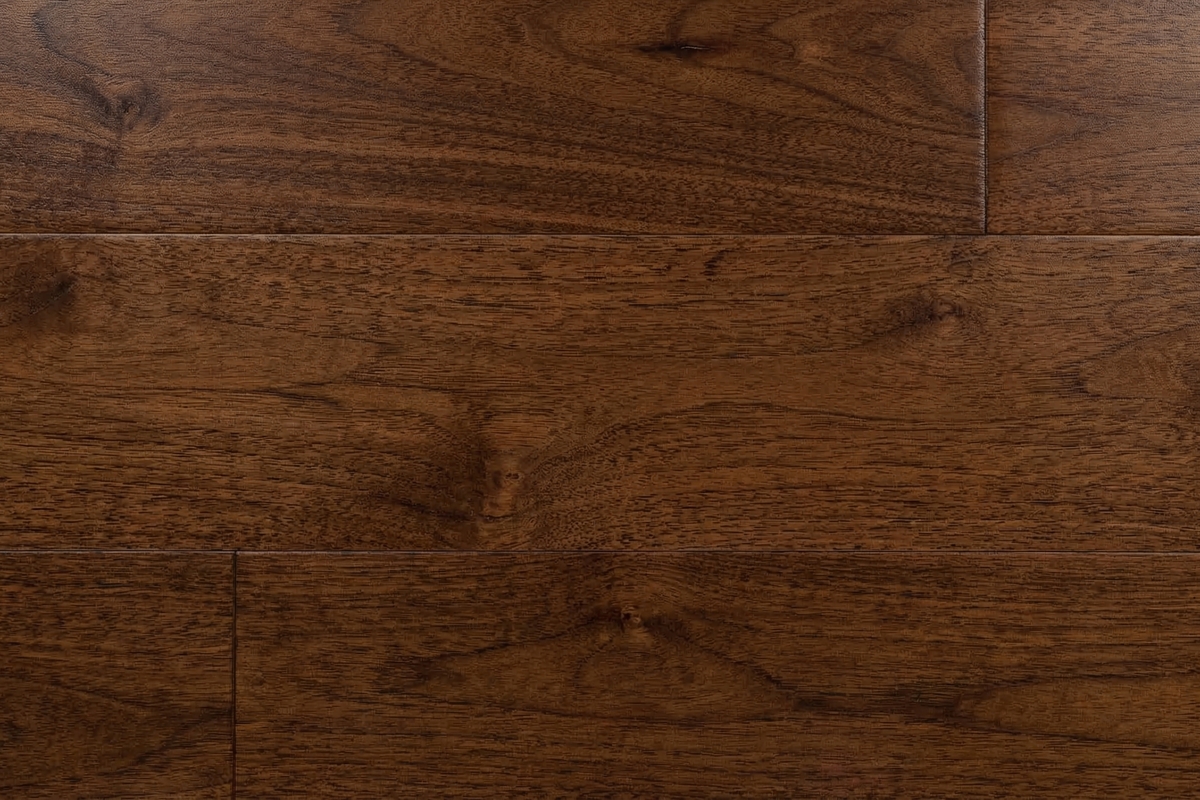 Premium/Clear Grade Only
Brazilian Walnut (Ipe) is the densest wood in the Brazilian Direct collection and among the densest available anywhere. It is known for exceptional resistance to wood-boring insects, fungi, and heavy wear — making it a top choice for customers who demand maximum durability in both residential and commercial settings.
The heartwood is olive brown to blackish, often with lighter or darker striping, sometimes covered with a fine yellow powder when freshly milled. The sapwood is sharply demarcated, whitish or yellowish. The result is a deep, dark floor with extraordinarily fine, tight grain that stands apart from other exotic hardwoods.
All products are clear grade only. Random lengths as noted.
 See it installed in a real home
| Finish | Thickness | Width | Lengths | Type |
|---|---|---|---|---|
| Prefinished | 3/4″ | 3 1/4″ | Random 1′–7′ (avg 39″) | Solid |
| Prefinished | 3/4″ | 5″ | Random 1′–7′ (avg 39″) | Solid |
| Unfinished | 3/4″ | 3 1/4″ | Random to 7′ (avg 38″) | Solid |
3/4″ Solid · Factory Finished · Micro-beveled four sides · 35% sheen
Prefinished Brazilian Walnut features a 7-step UV finishing system with aluminum oxide and anti-scratch coatings on the final layers. Micro-beveled edges on all four sides. At 3680 on the Janka scale, Brazilian Walnut is approximately 3 times harder than domestic oak — an exceptional choice for high-traffic commercial and residential floors that need to last a lifetime.
3/4″ Solid · Square Edge Available
Unfinished Brazilian Walnut offers exceptional value for new construction projects where sand-and-finish flexibility is needed. The single clear grade ensures consistent color within an acceptable range. We dry our Ipe to 7% moisture content and mill it to NOFMA standards, with a precise tongue-and-groove profile for minimal overwood. As the densest and hardest product we offer, it will last a lifetime or more.
Brazilian Walnut (Ipe) is the densest wood in the Brazilian Direct collection and among the densest available anywhere. It is known for exceptional resistance to wood-boring insects, fungi, and heavy wear — making it a top choice for customers who demand maximum durability in both residential and commercial settings.
The heartwood is olive brown to blackish, often with lighter or darker striping, sometimes covered with a fine yellow powder when freshly milled. The sapwood is sharply demarcated, whitish or yellowish. The result is a deep, dark floor with extraordinarily fine, tight grain that stands apart from other exotic hardwoods.
Brazilian Direct’s mills in Brazil use sustainable forestry practices — environmentally and socially responsible sourcing that ensures only what will regenerate between harvests is removed.
Brazilian Walnut has a relatively subtle and gradual color change compared to species like Brazilian Cherry. When freshly milled, the floor can exhibit a wide range of coloration — from light yellowish tan with greenish overtones to near-blackish brown. Over time, these tones mute toward a more uniform palette, then settle into a medium to dark brown.
Brazilian Direct selects and stocks medium brown tones only — avoiding the extreme light or near-black ends of the spectrum. This means your floor will start with good uniformity and settle further as the color range narrows over the first several months.
Unlike Brazilian Cherry, the color change in Brazilian Walnut does not dramatically alter the floor’s appearance. The transition is more of a settling and deepening rather than a wholesale transformation, which appeals to customers who want a predictable end result.
Real installations of Brazilian Walnut flooring by Brazilian Direct customers.

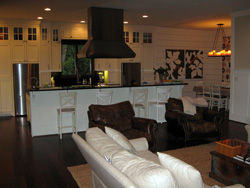
I wanted to let you know how great the Brazilian Walnut (IPE) looks in our new home. Great choice, great wood, great finish. We love it.
Brazilian Walnut (Ipe) rates 3680 lbf on the Janka hardness scale — 290% as hard as Red Oak (1260 lbf) and approximately 3 times harder than domestic oak. It is the densest, hardest wood in our entire collection.
Brazilian Walnut has a relatively subtle and gradual color change. Freshly milled boards range from light yellowish tan to near-blackish brown; over time these tones mute and settle into a medium to dark brown. Brazilian Direct selects and stocks medium brown tones only, so your floor starts with good uniformity.
Clear grade only, in solid 3/4″ formats: prefinished in 3¼″ and 5″ widths, and unfinished in 3¼″ width — all in random lengths.
Tell us your square footage for a no-obligation quote — or hold a sample in your hands first.



Request a free price quote - our hardwood flooring experts can guide you every step of the way! Or call us at 888-452-8622
Family-owned importer of Brazilian hardwoods — Since 2002.


Copyright © 2002-2026 Brazilian Direct, Ltd. All rights reserved. FSC Logo and Phrases © 1996 Forest Stewardship Council A.C.